
Genicular Nerve Ablation for Knee Pain and Osteoarthritis Relief
Knee arthritis can shrink daily life in quiet ways. Stairs take longer. A short walk feels like a negotiation. Sleep is interrupted by a joint that aches even at rest. For many people, the hardest part is not one bad pain day, but the steady pattern of stiffness, swelling, and limits.
Genicular nerve ablation is one option doctors may discuss when knee pain has not improved enough with common treatments and surgery is not the right next step. It does not rebuild cartilage or cure arthritis. Its goal is more specific: reduce pain signals coming from the knee so movement and function become easier.
This article explains what the procedure is, how it may fit into knee osteoarthritis care, who may be a candidate, and what to ask before deciding.
This content is for education only and is not a substitute for medical advice from a qualified clinician.

What genicular nerve ablation does
The knee has several sensory nerves around it called genicular nerves. These nerves help carry pain signals from the knee joint to the brain. In osteoarthritis, the joint can become painful because of cartilage wear, inflammation, bone changes, and irritation of surrounding tissues.
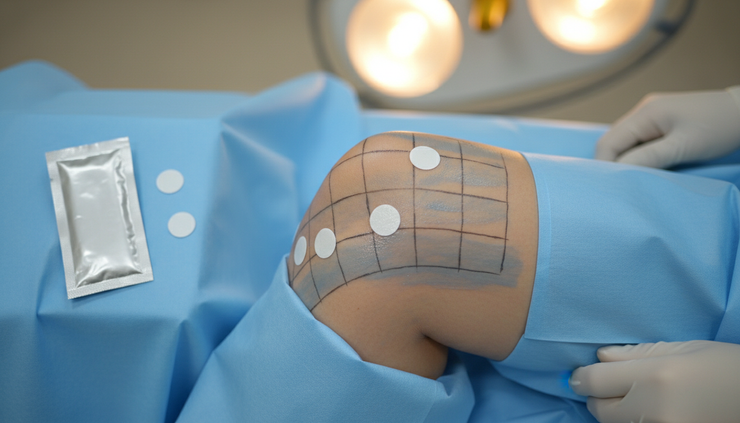
Genicular nerve ablation targets some of these pain-carrying nerves. During the procedure, a clinician uses imaging guidance to place needles near selected genicular nerve branches. Radiofrequency energy then creates heat at the needle tip. The heat treats the nerve area so pain signals are reduced.
A common shorthand for this is GNA. In plain terms, genicular nerve ablation aims to turn down the volume on knee pain rather than repair the joint itself.
That distinction matters. The procedure may help pain, walking tolerance, and daily function, but it does not reverse osteoarthritis. If the knee joint is severely damaged, the underlying arthritis remains. The benefit comes from changing how pain signals travel.
Doctors often use a two-step approach:
Diagnostic genicular nerve block
A small amount of local anesthetic is injected near the target nerves. If pain improves for a short period, that suggests those nerves play a meaningful role in the pain pattern.
Radiofrequency ablation
If the block gives enough temporary relief, radiofrequency treatment may be offered for longer-lasting pain reduction.
This test block is important because knee pain can come from many sources. A sore knee is not always just “arthritis pain.” Tendons, ligaments, the kneecap, referred pain from the hip or back, and prior surgery can all shape symptoms.
How GNA fits into osteoarthritis treatment
Knee osteoarthritis care usually starts with lower-risk treatments. These may include exercise, weight management when appropriate, physical therapy, anti-inflammatory medications, bracing, activity changes, and injections such as corticosteroid or hyaluronic acid injections.
Some people get enough relief from these steps. Others still have pain that limits walking, sleep, work, or hobbies. At that point, the treatment conversation often becomes more personal. The main question is: what is the next reasonable step?
GNA may have a role when:
Knee osteoarthritis causes ongoing pain despite conservative care
Medications cause side effects or are not safe because of other health conditions
Injections no longer help enough or do not last
Knee replacement is not desired, not recommended, or needs to be delayed
Pain continues after knee replacement and other causes have been evaluated
It is usually considered a pain management procedure, not a first-line arthritis treatment.
For someone with mild arthritis and pain that improves with strength training and activity changes, GNA may not be necessary. For someone with moderate or severe arthritis who can no longer walk through a grocery store without significant pain, it may become more relevant.
The phrase GNA radiofrequency heat knee pain is often used online because it captures the basic mechanism: radiofrequency energy creates controlled heat near targeted knee nerves to reduce pain signaling.
The best results tend to happen when the pain source matches the nerves being treated. That is why a careful exam, imaging review, and diagnostic block matter.

What happens before, during, and after the procedure
A clinician typically begins with a history and physical exam. They may ask where the knee hurts, what activities trigger pain, how long symptoms last, what treatments have been tried, and whether there has been prior knee surgery. X-rays or other imaging may help confirm osteoarthritis and rule out other problems.
The diagnostic nerve block
The diagnostic block is usually brief. The skin is cleaned, local anesthetic is used, and a thin needle is guided near the target nerve areas using fluoroscopy or ultrasound. After the injection, the patient tracks pain relief for the next several hours.
The key question is not whether the knee feels perfect. The goal is to see whether there is a clear temporary drop in the usual pain.
Doctors may ask for a pain diary that records:
Pain score before the block
Pain score after the block
Activities that felt easier
How long relief lasted
Any unusual symptoms
If the block does not help much, radiofrequency treatment may be less likely to work.
The ablation visit
During the ablation, the patient is positioned so the doctor can access the knee with imaging guidance. The skin is numbed. Specialized needles are placed near the target genicular nerves. The doctor may test placement before treatment. Radiofrequency energy is then delivered for a set period at each site.
The procedure is usually done on an outpatient basis. Many people go home the same day. Sedation practices vary, and some patients only need local anesthetic.
Afterward, soreness around the needle sites can happen for a few days. Ice, rest, and the doctor’s aftercare instructions may help. Pain relief may not be immediate. Some people notice improvement within days, while others need several weeks.
Because the treated nerves can recover over time, relief may fade. If GNA helped the first time, repeat treatment may be discussed later.
Benefits, limits, and risks to understand
The main possible benefit is less pain. When pain decreases, other improvements may follow. Walking may feel easier. Physical therapy may become more tolerable. Sleep may improve. People may use fewer pain medications, depending on their situation and doctor’s guidance.
Still, expectations should stay realistic. GNA is not meant to make an arthritic knee young again. It does not correct bowed alignment, regrow cartilage, remove bone spurs, or stop arthritis from progressing.
A helpful way to think about it:
What GNA may do
Reduce pain signals from selected knee nerves
Improve comfort with walking or therapy
Delay or reduce the need for some medications in certain cases
Help some people postpone surgery
What GNA does not do
Cure osteoarthritis
Rebuild cartilage
Replace strengthening, movement, or joint care
Guarantee relief for every patient
Like any procedure, it has risks. Most are uncommon, but they should be part of the discussion.
Possible risks include:
Temporary soreness, bruising, or swelling
Bleeding or infection at needle sites
Numbness or unusual skin sensation
Increased pain for a short period
Incomplete relief
Nerve or tissue injury, though this is uncommon when performed with proper technique
People who take blood thinners, have an active infection, have certain implanted devices, or have complex medical conditions may need special planning or may not be candidates.
Who may be a good candidate
The best candidate is not defined by age alone. A person in their 50s with severe arthritis and medication limits may be considered. So may a person in their 80s who wants pain relief but is not a strong surgical candidate.
A clinician may consider GNA when there is:
A clear diagnosis of knee osteoarthritis or chronic knee pain pattern
Pain that continues despite appropriate conservative treatment
A positive response to a diagnostic genicular nerve block
No untreated problem that needs a different approach, such as infection or fracture
Realistic expectations about what pain relief can and cannot do
It may be less suitable when knee pain comes mostly from another source. For example, pain that starts in the low back and travels down the leg may involve nerve compression in the spine. Pain mainly from a torn tendon or unstable ligament may need different care. Severe mechanical symptoms, such as true locking, may call for orthopedic evaluation.
Prior knee replacement deserves special mention. Some people have persistent pain after replacement surgery even when the implant looks stable. In select cases, GNA may be considered after the surgeon and pain specialist rule out issues such as infection, loosening, instability, or alignment problems.
Questions to ask before choosing GNA
A good consultation should leave room for practical questions. The answers can help set expectations and reduce surprises.
Consider asking:
What do you think is the main source of my knee pain?
Do my X-rays or imaging match my symptoms?
Will I need a diagnostic nerve block first?
What amount of temporary relief would make the block a “success”?
Which genicular nerves will you target?
Will you use fluoroscopy, ultrasound, or another form of guidance?
What should I expect during recovery?
How long might relief last in my situation?
What are the next options if it does not work?
How should I handle my regular medications before the procedure?
The answer to “how long will it last?” varies. Some people get meaningful relief for months or longer. Others get partial relief or little benefit. The diagnostic block helps estimate the odds, but it cannot promise the result.
Cost and insurance coverage also vary. Coverage may depend on diagnosis, prior treatments, documentation of the nerve block response, and the insurer’s policy. A clinic or surgery center can usually explain preauthorization steps before treatment.
The bigger picture for knee pain relief
GNA can be useful, but it works best as part of a broader plan. Pain relief creates an opening. What happens next matters.
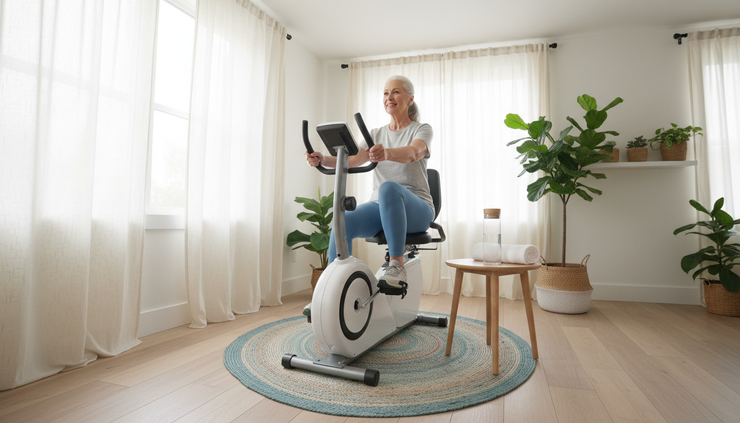
If the procedure helps, that may be the right time to rebuild strength, improve balance, and return to low-impact movement. Stronger muscles around the hip and knee can reduce joint stress. Gentle activity can also help stiffness and confidence.
Common next steps may include:
A physical therapy plan that respects arthritis pain
Low-impact exercise such as cycling, swimming, or walking on level ground
Strength work for the quadriceps, hamstrings, hips, and calves
Weight management support if extra weight is increasing joint load
Shoe changes, braces, or walking aids when helpful
Ongoing check-ins with the treating clinician
The goal is not only a lower pain score. The better goal is a more usable knee.
For some people, GNA may delay knee replacement. For others, it may make life more manageable while they prepare for surgery. Some may use it because surgery is not safe or not wanted. The role depends on the person’s health, joint damage, goals, and response to the test block.
A careful decision balances three things: the knee’s structure, the pain signal, and the person’s daily life. GNA focuses mostly on the pain signal. That can still make a meaningful difference when knee arthritis has made normal movement feel out of reach.
The practical takeaway is simple: if knee osteoarthritis pain persists despite basic care, ask whether a diagnostic genicular nerve block and possible ablation fit the situation. The right answer should come from a clinician who evaluates the whole knee, like the experts at Kamath Orthopedics, not just the pain score.


Comments