
Muscle Sparing Total Knee Replacement: A Gentle Approach
Updated: Aug 16
What Is Muscle Sparing Total Knee Replacement?
Muscle-sparing total knee replacement is a surgical technique that avoids cutting or detaching major muscles around the knee joint. Instead, the surgeon works between muscles or gently moves them aside to reach the knee joint. This approach preserves muscle strength and function.
Traditional knee replacement often involves cutting through the quadriceps muscle or tendon to access the joint. This can cause more pain, swelling, and longer rehabilitation. Muscle-sparing methods reduce trauma to soft tissues, which means less pain and quicker recovery.
The main goal is to replace the damaged knee joint while keeping the surrounding muscles intact. This helps patients regain strength faster and improves overall knee function after surgery.
Benefits of Muscle Sparing Techniques
Choosing a muscle-sparing approach can significantly enhance your recovery experience. Here are some key benefits:
Less pain after surgery
Because muscles are not cut, patients usually experience less pain. This can reduce the need for strong pain medications.
Faster recovery and rehabilitation
Preserving muscles helps patients regain movement and strength sooner. This means shorter hospital stays and a quicker return to daily activities.
Better knee function
Keeping muscles intact supports better knee stability and range of motion after surgery.
Lower risk of complications
Muscle-sparing techniques reduce swelling and tissue damage, which can lower the chance of infection or other complications.
Smaller scars and less tissue damage
These approaches often use smaller incisions, which can improve cosmetic results and reduce healing time.

Common Muscle Sparing Approaches
Several muscle-sparing techniques are used in total knee replacement. Here are some of the most common:
1. Quadriceps-Sparing Approach
This method avoids cutting the quadriceps tendon or muscle. The surgeon works through a smaller incision and gently moves the quadriceps aside. This approach is less invasive and helps patients maintain muscle strength.
2. Subvastus Approach
The subvastus technique is a type of quadriceps-sparing approach that involves working under the vastus medialis muscle, part of the quadriceps group. The muscle is lifted but not cut, allowing access to the knee joint while preserving muscle function.
3. Midvastus Approach
This approach splits the vastus medialis muscle but does not cut the quadriceps tendon. It offers a balance between exposure and muscle preservation.
Each approach has its advantages and may be chosen based on the patient’s anatomy and the surgeon’s experience.
Advanced Surgical Solutions Supporting Muscle Sparing
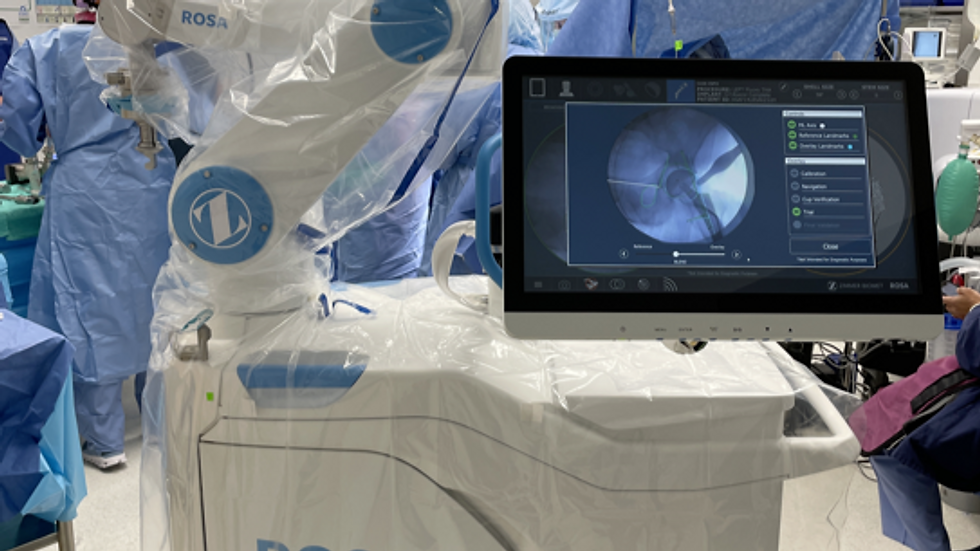
Modern technology has made muscle-sparing knee replacement more effective and accessible. For example, Robotic-Arm Assisted Surgery is a leading option that supports precise and tissue-sparing knee replacement surgery. It helps surgeons plan and perform precise bone cuts while preserving muscles and minimizing soft tissue releases.
Robotic-Arm Assisted Surgery
ROSA and Mako are types of robotic systems that assist surgeons during total knee replacement. They use 3D imaging to create a personalized surgical plan. The robotic arm guides the surgeon to remove only the damaged bone and cartilage, sparing healthy tissue and muscles.
This precision supports muscle-sparing techniques by minimizing unnecessary cuts and trauma. Patients benefit from better alignment, less pain, and faster recovery.
You can learn more about this technology at ROSA Knee System and Mako Robotic-Arm Assisted Surgery.
Comparing Muscle Sparing to Traditional Knee Replacement
Understanding the differences between muscle-sparing and traditional knee replacement can help you make informed decisions.
Muscle-sparing surgery is not suitable for everyone. Complex cases or severe deformities may require traditional methods. Discussing options with an experienced orthopedic surgeon is essential.
What to Expect During Recovery
Recovery after muscle-sparing total knee replacement is often smoother. Here’s what you can expect:
Hospital stay
Many patients go home the same day (or outpatient surgery in a surgery center) or within 24 hours after surgery.
Pain management
Less muscle trauma means less pain. Your care team will guide you on medications.
Physical therapy
Early movement is encouraged. Physical therapy starts soon after surgery to restore motion and strength.
Daily activities
Most patients can resume light activities within a few weeks. Full recovery may take 3 to 6 months.
Follow-up care
Regular check-ups ensure your knee heals well and functions properly.
Choosing the Right Care in the Tri-State Area (NY, NJ, PA)
If you are considering total knee replacement, finding a center that offers muscle-sparing techniques and advanced technology is important. Kamath Orthopedics provides world-class orthopedic care in New Jersey, New York, and Philadelphia. Their team uses the latest methods, including robotic-assisted surgery, to protect muscles and improve outcomes.
For example, Kamath Orthopedics offers Robotic-Arm Assisted Surgery, which supports muscle-sparing approaches. This technology helps patients recover faster and regain mobility with less pain.
Learn more about their services and how they can help you at Kamath Orthopedics.

Muscle-sparing total knee replacement is a promising option for many patients. It offers less pain, faster recovery, and better knee function by protecting the muscles around the joint. With advances like robotic-assisted surgery, these benefits are becoming more accessible.
If you or a loved one is facing knee replacement surgery, consider discussing muscle-sparing techniques with your orthopedic surgeon. Choosing the right approach can make a big difference in your recovery and quality of life.
Taking the first step toward better knee health starts with learning your options. Reach out to a trusted orthopedic center in your area to explore muscle-sparing total knee replacement and advanced surgical solutions.
Disclaimer: This post is for informational purposes only and does not replace professional medical advice. Always consult your healthcare provider for diagnosis and treatment options.


Comments